ADHD Tools & Support
Looking for resources?
h1
You’ve come to the right place

There’s more to your symptoms
You know ADHD isn’t just struggling with focus and forgetfulness. Everyone has their own mix of ADHD symptoms that cause unique daily struggles. But it’s the symptoms left unnoticed, and untreated, that could be giving you more trouble than they should. Over the next week, keep a closer eye on your ADHD symptoms. Download this Experience Tracker and talk to your doctor about treating the full ADHD experience at your next appointment.
ADHD Experience Tracker



80
40
YOUR ADHD CHECK-IN
ADHD is personal
Your next appointment should be, too
ADHD doesn’t fit a mold. Your symptoms can change based on your age, gender, and stage of life. Here's advice on how to connect the dots and start a conversation with your doctor.

TALKING TO YOUR DOCTOR
Dr. Shepard explains why sharing simple daily “snapshots” can help healthcare providers see the full ADHD experience.
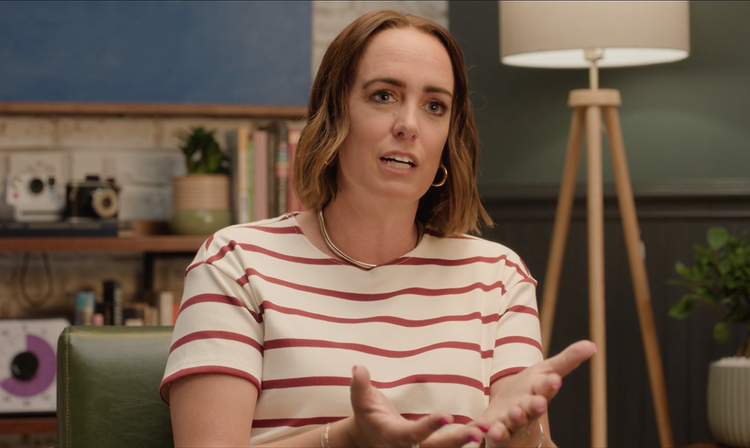
TALKING TO YOUR CHILD’S DOCTOR
Rachel describes the mix of symptoms that can make ADHD complex and what she brought up to her son’s doctor.


Reframe ADHD Video Series
AN INSIDE LOOK AT THE REALITIES OF ADHD
Real symptoms, relatable stories
Watch Now
40
0
ADHD Community & Advocacy
Virtual peer groups. Local chapters. Useful resources.
Find support that’s right for you
true
Third-party organizations and resources are provided for informational purposes only. These organizations are independent of Otsuka America Pharmaceutical, Inc. (OAPI), although OAPI may have limited fee-for-service relationships with certain organizations. OAPI does not control or endorse the content provided by these third parties and is not responsible for its accuracy or use.
ADDA
(ATTENTION DEFICIT DISORDER ASSOCIATION)
If you prefer connecting online, ADDA is a great place to start. The international community is built specifically for adults with ADHD, offering virtual peer groups, adult workshops, and career resources.
CHADD
(CHILDREN AND ADULTS WITH ATTENTION-DEFICIT/HYPERACTIVITY DISORDER)
Looking for local or national support groups, webinars, or management tools? CHADD empowers individuals and families impacted by ADHD with both science-based information and practical strategies.
ADDITUDE MAGAZINE
Rather navigate your journey solo (yet still supported)? ADDitude offers a robust library of articles, symptom checklists, and expert podcasts that cover practically every imaginable aspect of living with ADHD. So grab the earbuds and dive in.
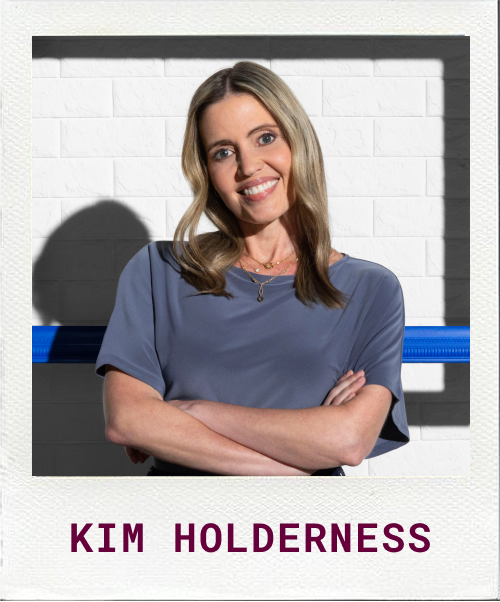
Author, podcaster, content creator with ADHD
After years of navigating an anxiety misdiagnosis, Kim now shares her personal story to inspire and validate women who receive an ADHD diagnosis later in life.

Content creator, mental health advocate with ADHD
Kyrus wants his followers to feel seen, but also a little lighter. He candidly shares his personal ADHD struggles in ways that are honest, relatable, and sometimes humorous.
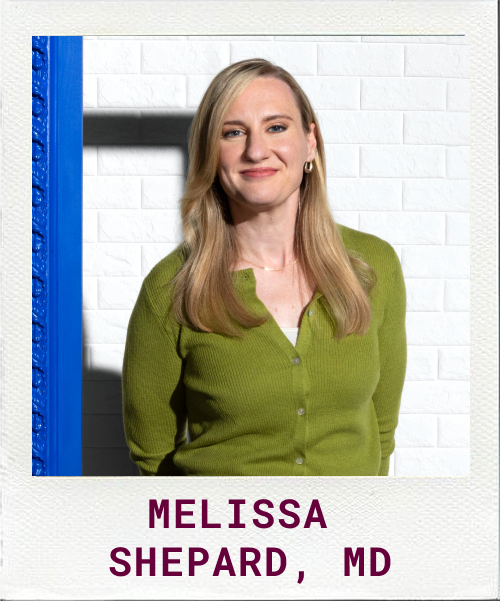
Psychiatrist for adults and kids with ADHD
Board-certified psychiatrist Dr. Shepard balances science and compassion to destigmatize the ADHD brain, breaking down clinical concepts into practical strategies for her patients.

ADHD mom, caregiver, content creator
Rachel sees both sides of the ADHD experience as an adult with ADHD and a mother raising a child with ADHD. She provides real-world tools and advice to fellow caregivers free of judgment and full of lived experience.
40



80
80
2
1
1
custom
48px
custom
40px
stretch
1060px/600px/375px
center
custom
34px
custom
0
Definitions
Some helpful ADHD terms defined

tool-support-faq
Diagnostic Symptoms:
The classic signs a doctor uses to diagnose ADHD, including trouble with focus, hyperactivity, and impulsivity.
Associated Symptoms:
Daily struggles related to ADHD but not included in the diagnostic checklist, such as mood swings, trouble planning or prioritizing, social challenges, and sleep issues.
Executive Dysfunction:
An Associated Symptom that can bring difficulty planning, prioritizing, or organizing and can lead to challenges at school or work.
Emotional Dysregulation:
An Associated Symptom that can bring sudden bursts of anger, irritation, or emotions that are hard to control.
Neurotransmitters:
The brain’s chemical messengers that help manage attention, mood, motivation, and energy.
Comorbidities:
Having 2 or more separate conditions or disorders at the same time.